

A Letter from the Superintendent
Bunting: Vermont Republican leadership is misrepresenting what is happening in CVSD schools – cuts have been made and scores are going up; to say otherwise is untrue and insulting.
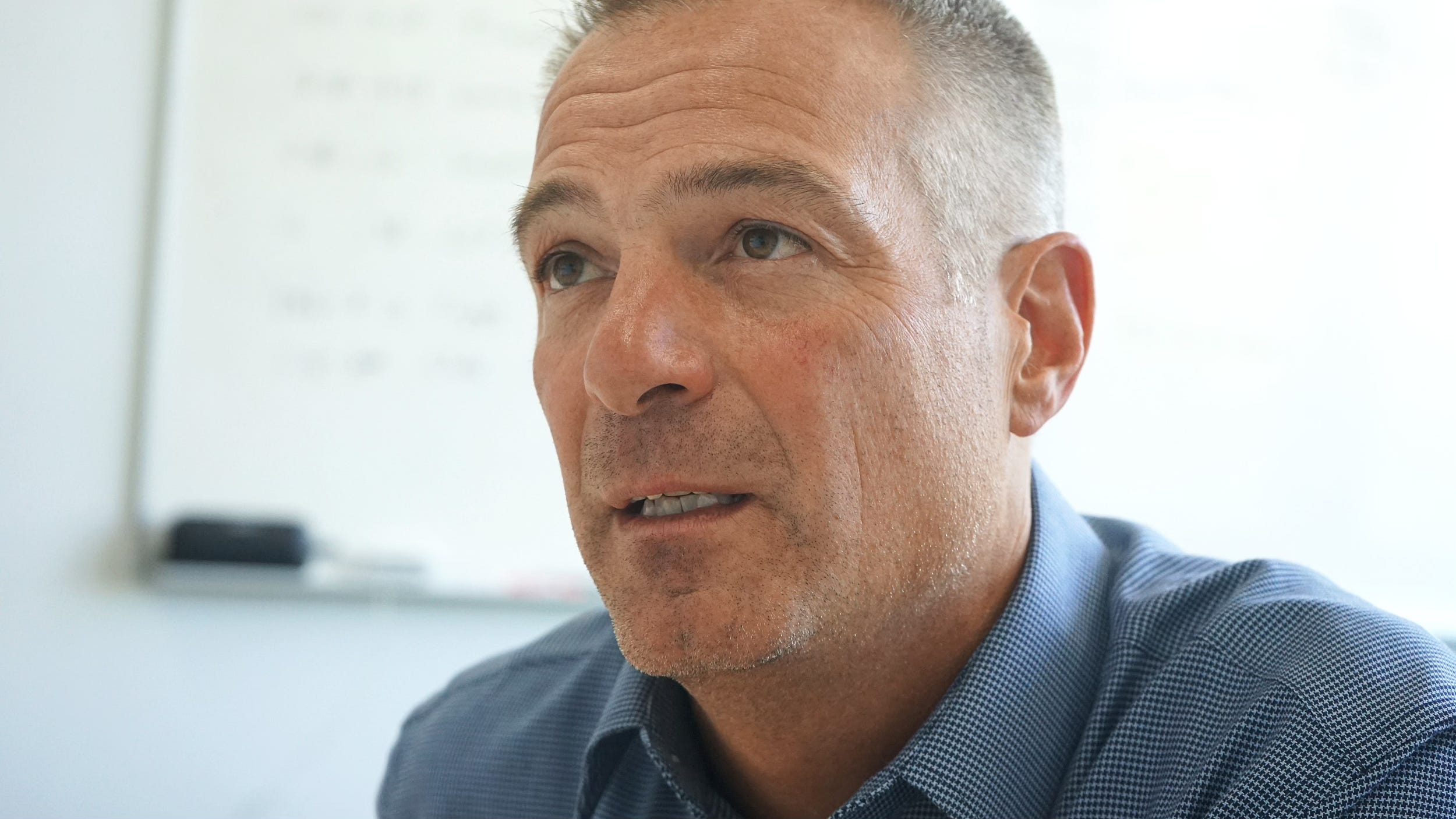
By Adam Bunting
CVSD Superintendent
Dear CVSD Community,
I must admit I’m a little annoyed. I work hard not to be defensive of an educational status quo, as our schools, nationally, have significant work ahead to become more human and more future-centered. But I want to focus this letter on CVSD, because I worry that narratives like those offered by Senator Beck, Rep. McCoy, and Governor Scott misrepresent the success and hard work of our students, educators, and families, risking support for our system.
In the past two fiscal years, CVSD has reduced our budget by $9 million and 82 positions. While I acknowledge challenges in our education funding system, I don’t want to see resources for our students and a budget that you have long supported jeopardized based on hyperbole that is, at minimum, untrue for our district.
Here is the refrain published last week: “Republicans are deeply concerned that, despite nearly the highest per-pupil education spending in the nation, Vermonters are seeing diminishing returns: declining reading and math scores, deteriorating school infrastructure, low post-secondary enrollment, a rising dropout rate, and the highest staffing ratio in the country – 3.4 to 1.”
Let’s start with the data. First is the idea of a rising dropout rate. So you are in the know, CVU’s graduation rate for 2025 is 96 percent. This figure is impressive and even more so as some students can legally (and are welcomed) to attend school until they turn 22 years old.
The statistics used to illustrate Vermont’s educational decline come primarily from National Assessment of Educational Progress (NAEP). NAEP scores are reported statewide and cannot be disaggregated to individual school districts. And while we (CVSD) have not always highlighted our standardized-test successes (in part because test scores are such a narrow definition of meaningful learning, citizenship, and human development), it is important to understand that statewide NAEP data does not represent CVSD performance.
NAEP would lead you to believe that our 4th graders may fall in the 30 percent range for proficiency in reading and math. That is simply not our reality. A few points of celebration:
87 percent of CVSD third graders were proficient or above in literacy on the 2025 spring i-Ready assessment; 70 percent were proficient or above in math.
On VTCAP, 75 percent of our 4th graders were proficient or above in literacy and 61 percent in math.
Our 7th graders performed especially well: 83 percent were proficient or above on the VTCAP ELA assessment.
On the SAT (which we provide to all students at no cost), 87 percent of CVSD students last year were proficient or above in literacy.
All of this data is accurate – and, yes, I am cherry-picking, but I’ll be transparent about that. We certainly have areas for growth, but the dominant narrative would have you believe there are no bright spots. That’s simply not true. And as I mentioned earlier, I’m not a standardized-test advocate. Wouldn’t it be great if life were that easy – score well here, and everything else falls into place?
I’ve worked in this district long enough to see longitudinal patterns, and to understand (as best I can) which factors more meaningfully contribute to long-term success and wellbeing. Academic proficiency matters, but equally – if not more –important are a student’s sense of purpose, the connections they form with peers, adults, and their community, and the identity they build as they navigate childhood and adolescence.
We’ve been measuring aspects of student engagement for more than a decade. Here are some data points (and we have generated hundreds of these) I care much more about than NAEP, as they represent both the celebratory and gaps:
96.6 percent of CVU students say they have at least one trusted adult at school.
90 percent of CVSD students in grades 9-12 report feeling a sense of belonging.
96 percent of students surveyed say they have friends who treat them with kindness and respect.
86 percent of students in grades 3-8 say they can be themselves at school; 71 percent say school is helping them learn about themselves.
80 percent of students in grades 3–8 say school is important to them; 64 percent say they see themselves in the curriculum.
Students with IEPs disagreed with the statement “I feel represented in school leadership positions and on committees” at nearly twice the rate of their peers (34.7 percent vs. 17.8 percent).
Stepping briefly out of my CVSD role, I want to share a personal belief: education should transcend politics. While Vermont’s decline on overall NAEP scores is multifactorial, I don’t think it’s a coincidence that Vermont began to lag when we transitioned from a Commissioner to a Secretary of Education. As in every realm of education, meaningful learning and progress start with relationships and we have real work to do to repair them.
I’ve been told that we once enjoyed far greater cohesion and partnership. Yet in the past year, the most salient thing I’ve seen is divisiveness. So perhaps we can agree on three things:
First, we could be doing much better as a state;
second, we must mature beyond standardized tests as accountability metrics and honor the young humans we are gifted to serve; and
third, our way forward lies not in op-eds and negative narratives, but in genuine partnership and collective purpose.
Sincerely,
Adam Bunting
CVSD Superintendent