

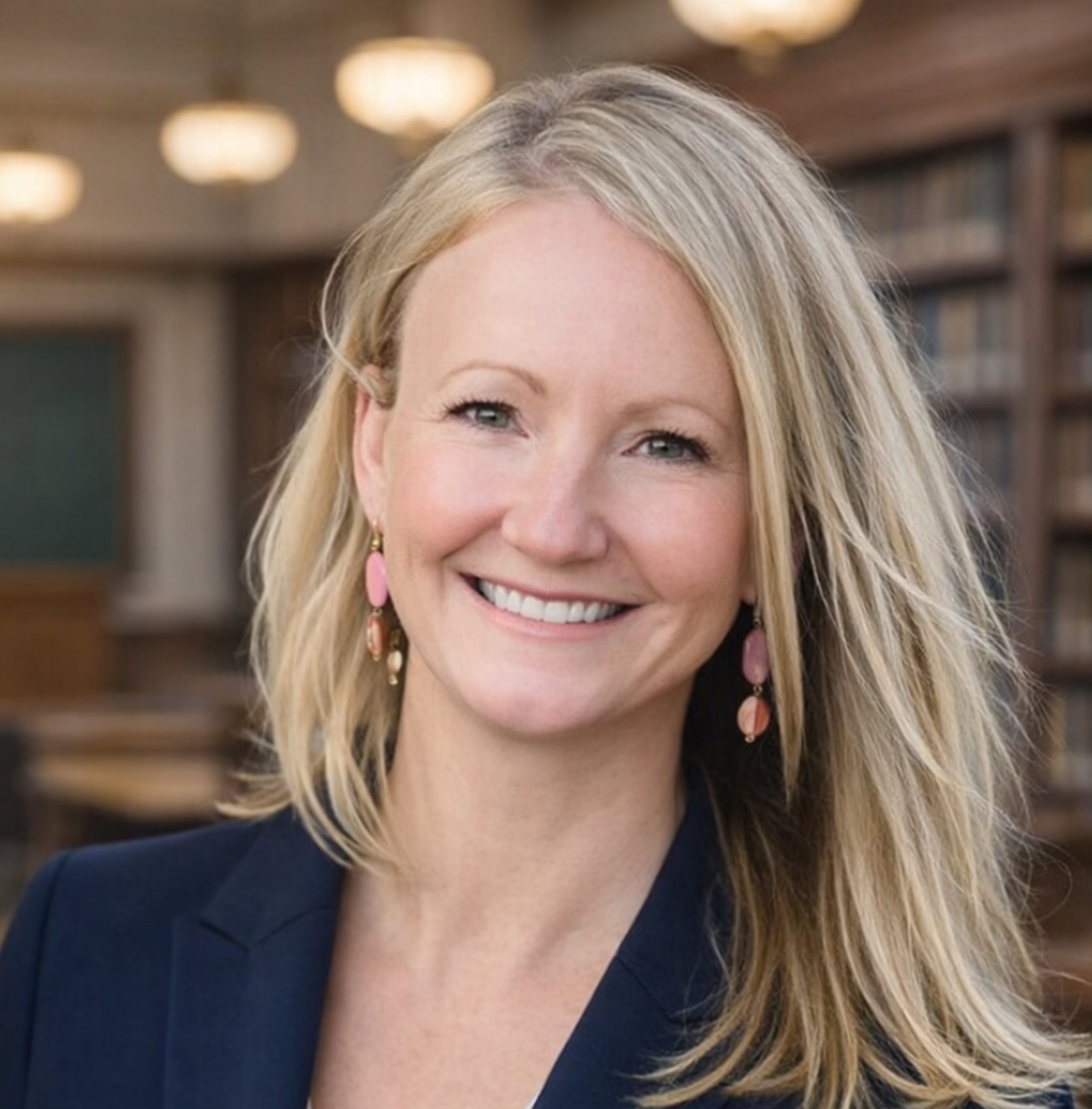
Editor’s note: This was the statement Townshend gave at the Aug. 18 school board meeting.
By Cassandra Townshend
CVSD board member, Hinesburg representative
I’m grateful for the opportunity to share my thoughts with the community. In hindsight, I wish each of us had shared why we voted the way we did, and I regret not sharing my perspective at the last board meeting.
Voting to enter into a gift agreement for a turf field was not an easy or quick decision for me. I have listened carefully to students, coaches, parents, families and other community members. While I respect the strong voices in opposition, I also recognize that there is significant support in our community for a turf field.
I also want to be very clear that, for me, this is not a binary issue. I care deeply about the health of our community and environment and believe strongly in responsible growth and thoughtful stewardship of our natural resources. At the same time, I believe in building a community where people can thrive, where we maintain affordability for young families, and where everyone feels a sense of belonging. I believe we can care about both.
I’ve heard firsthand about the challenges our current fields create for students and families. One student described waking at 4:30 a.m. for a 5:45 a.m. practice at the Shelburne Field House and then struggling to stay awake in class. Her parent acknowledged that their family is fortunate to have the transportation and flexibility to make that possible, but not every family does. Students and coaches also described practices and games being cancelled, postponed, or moved to other communities, sometimes requiring teams to practice in parking lots, hallways, or rented facilities. These are not simply inconveniences; they affect access, equity, student well-being, and the overall school experience.
The length of this conversation also matters to me. One parent reminded me that when turf was previously discussed, her child was six years old. That child is now a UVM student who spent four years playing CVU lacrosse in mud, puddles, or at someone else’s school. I understand why some community members are frustrated that we are still having this conversation. At the same time, I understand why others want us to slow down and make sure we get it right. Both perspectives are reasonable.
I’ve also heard a broader vision for what this could mean for our community. Local youth sports leaders described dozens of youth teams and hundreds of children who could potentially use the facility, in addition to CVU teams, clubs, adult leagues, camps, and other community programs. Students described the possibility of games under the lights, where families and classmates can gather, build school spirit, and create lasting memories. To me, that speaks to something larger than a playing surface: an accessible community resource that brings people together.
I’m grateful for the generosity behind this proposed gift while also recognizing the importance of being thoughtful about its potential impact on our environment and community health. One community member who attended meetings on both sides of this issue observed that, ultimately, both sides want healthy kids and a healthy community. I believe we can hold both of those priorities at the same time.
Given that many of our students already play on turf, I see an opportunity to create a field that is as environmentally responsible as possible. That means asking hard questions about materials, drainage, runoff, maintenance, longevity, and replacement, and making decisions based on the best information available. I also hope we can prioritize local businesses and resources where possible and ensure the project reflects the values of our community.
Ultimately, my vote reflects my responsibility as an elected representative to listen broadly, consider all perspectives and information, and make the best decision I can for our community. I view approval of the gift agreement as one step in the process, not the end of the conversation. Important checks and balances remain, including additional community conversations, research, and careful consideration of environmental, health, financial, and operational impacts.
If this field does come to fruition, I hope we can come together to support our students and work toward the best possible outcome for all. We may not agree on the answer, but I believe we share much more in common than this issue sometimes suggests. We all want our students to be healthy, supported, included, and able to thrive in the community we share.