

Legislative Priorities for Hinesburg: Education, Health Care, and Housing
Representative Pouech Responds to Questions Regarding New Legislative Session
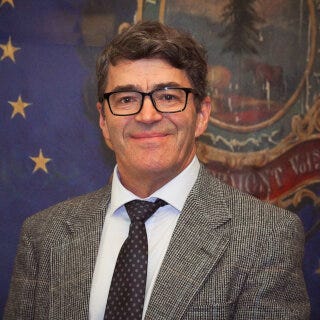
By Hinesburg State Representative Phil Pouech
Dear Hinesburg citizens, below is a short article I wrote to The Citizen concerning the new Legislative session. It was prompted from several questions they posed to local legislators. My responses were edited down so I thought I should provide the full article for your consideration. Below are my answers to the posed questions:
What are my top three priorities this session:
My three priorities have not changed from previous years. If anything, they feel more important given the disruptions caused by changing federal policies and funding.
1. Education continues to be on the top of my list because it is top-of-mind (and pocketbook) for nearly every Vermonter. Rather than label this issue as education reform, I prefer to describe it as education funding reform. By many accounts Vermont’s education system is strong and effective. Any reform to improve education efficiency must maintain or ideally improve quality. We should expect some inefficient or underused schools may close, a process that was already happening before Act 73. Just as important as finding cost efficiency is the need to change how we fund education. Relying on our existing property tax structure does not consider more progressive funding models such as adding second homes as an additional category to the existing homestead and non-homestead categories. Additional ideas being explored would abandon the property tax as a primary school funding mechanism and move to a hybrid system of income taxes for state residents and property taxes for second-home owners and commercial property. So, we need to do both, increase efficiency on how we educate our children and modify the funding streams to ensure it is fair to hard-working Vermonters.
2. Healthcare also continues to be front and center for me. Vermonters are paying the highest prices for health insurance of anywhere in the country, and recent cutbacks by the federal government put our healthcare system on life support. The solutions are diverse and quite complicated. I am encouraged by recent proposals for policies that would fully fund primary care access for all Vermonters. This can save money; more preventive care will reduce the excessive use of emergency room services (the highest cost healthcare) and reduce costs of dealing with untreated preventable disease. I will continue to follow policies and bills presented to and by our health care committees and Green Mountain Care Board that support reducing funds on unnecessary health care spending, while providing all Vermonters the best affordable health care possible.
3. Housing also remains a critical issue for Vermonters. While building all types of housing can help control housing and rental costs, we really need to focus public energy and funds toward truly affordable housing. I believe the on-going development we are experiencing in Hinesburg is a strong example of finding that balance because it ensures a healthy portion of new development is focused on permanent affordable housing. I will continue to support and encourage programs that support manufactured homes, which can build cost effective efficient housing at scale. Other states have been successful with this approach. We need to ensure our regulatory policies step out of the way to encourage small affordable manufactured housing, and our zoning and planning rules do not put up roadblocks to these efforts.
What are your thoughts on the education task force’s current recommendation?
Before we address the task force’s recommendations we should see where this effort first started, with what the Governor and the Secretary of Education proposed to last year’s legislators. They wanted to merge all of Vermont into five large districts and do so under a very fast timeline. This proposal, in my opinion was ill-conceived and destined for failure. It certainly would have been a disaster for our own local CSS district. Fortunately, the House presented a more reasonable approach in Act 73, which I supported, despite a lot of local pressure to vote no. I voted yes because the Act required the state to investigate district consolidation (which got the most press coverage), along with a wide range of policies that would change our existing education funding formula. I knew this Act had many built-in checkpoints along the way to ensure if Vermont was to make big changes, we could do so with consensus and confidence. The task force included experienced education experts and Vermont legislators. They worked extremely hard under a very fast timeline and received input from all over the state. What the task force came back with was a realization that forcing consolidation on unwilling towns and villages, would cause radical disruption, and their research cast significant doubt on any potential savings this type of consolidation would achieve. Their recommendation to regionally consolidate services is a smart idea. It can be implemented immediately and will provide efficiency and savings. The Legislature and Administration need to carefully review data the task force found along with their recommendations and continue the work of Act 73. I expect active policy discussions, data analysis and many tough choices in this Legislative session.
Are you likely to vote yes to use legislative funds to buy down the tax rate?
I have reluctantly voted for the last two yield bills, which did buy down the tax rates. I did so knowing this only kicked the “can down the road.” It is important to acknowledge that if we use budget revenues to buy down our property tax bill, those are funds that can’t be used for housing or healthcare. I can only support another buy-down if there is solid evidence our education funding changes will result in future spending reductions. At some point we must change our funding formulas and spending to enable us to pay our bills when they come due.
Do you plan to introduce any bills?
I have cosigned a number of bills this session including two timely bills to address ICE enforcement in Vermont. Vermonters want criminals, both citizens and non-citizens, to be caught and held accountable, but what we are seeing with our own eyes are masked federal agents rounding up families and non-criminals, without due process, to simply make some numbers. This is not American.
As the ranking member of the Transportation Committee, I hope to advance some key issues we worked on last year.
These include:
1. Adjusting our policies to address the transportation funding deficit we presently are experiencing. We need to ensure all transportation fuel taxes, DMV fees and the Use and Sales taxes for vehicles go toward our transportation funding system.
2. We need to provide efficient transportation systems and policies for all Vermonters. This includes not only safe roads and bridges but also bike and pedestrian infrastructures, where appropriate, to make our towns and villages safe and livable.
3. Public transportation must remain available for non-car owners especially our elderly.
4. We should put inflationary adjusters on revenue streams to ensure they keep up with the actual costs of transportation systems and infrastructure.
5. I also believe we can modify annual car inspections to reduce car owner costs. For example, inspect vehicles every two years. We should also adjust some inspection criteria to enforce existing laws on window tinting and illegal non-EPA approved muffler systems to reduce excessive noise.
What have you been hearing most from constituents in the intervening months?
Obviously, constituents reach out regularly with concerns about property taxes, lack of housing and health care costs. Most recent conversations are spurred on by changes coming from Washington, D.C. For example, when people in Washington threaten reductions in Department of Education funding, reductions in health insurance subsidies, or cutbacks to FEMA funding, my constituents are actively speaking out.
I always encourage all constituents to contact me at any time with general concerns or specific policy issues. I can be reached by emailing my legislative email: ppouech@leg.state.vt.us. I try to answer every email in a timely way. Please understand I can receive dozens of emails daily, so it is OK to poke me again if you did not hear back from me. I want to be available. If you ever come to the Statehouse for business or pleasure let me know, I would love to meet you.
Again, thanks for this opportunity to share my thoughts on these important issues.