

The Most Dangerous Creature in Vermont
Lyme disease-carrying ticks remain a major health concern for residents and visitors
By Philip Werner
The Record Outdoors Columnist
Spring in Vermont brings warm weather, blooming flowers, and an urge to spend more time outdoors. However, it also signals the return of ticks, which can carry diseases like Lyme disease, a serious health concern in the region. Protecting yourself from ticks is essential to enjoying the outdoors safely. Here are practical steps to help you stay tick-free during the spring months in Vermont.
1. Understand Tick Habits and Habitats
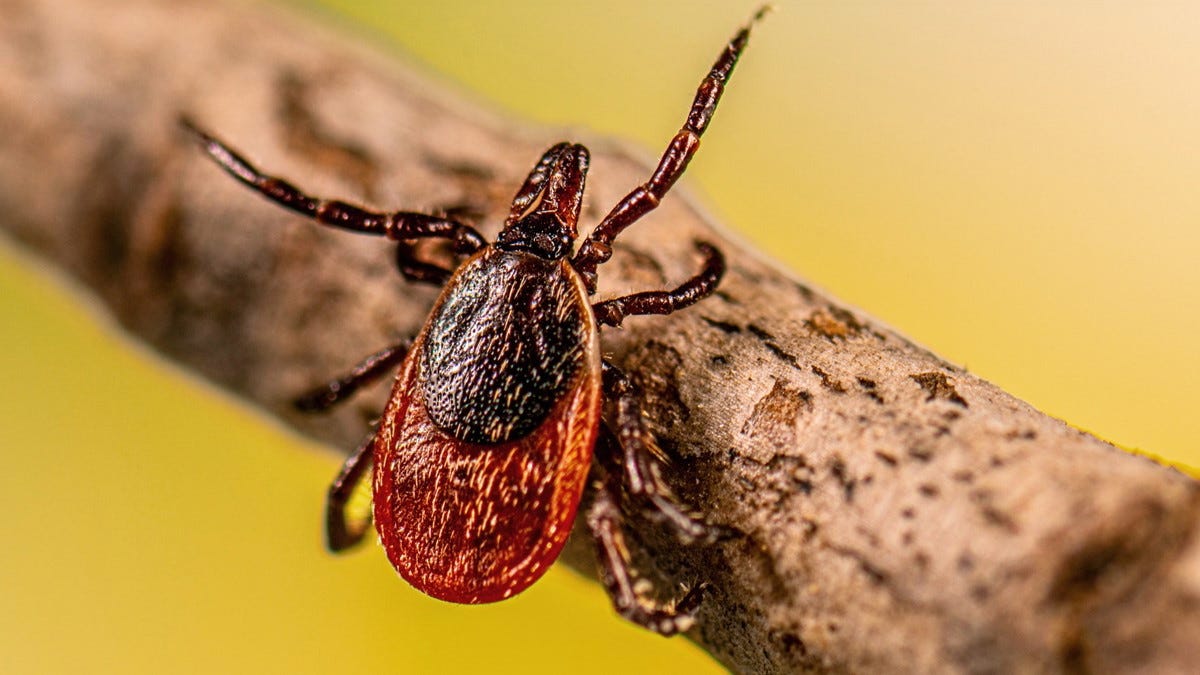
Ticks thrive in wooded areas, tall grasses, and leaf litter – common environments in Vermont’s forests and parks. During spring, ticks become active as temperatures rise above 40°F. The most common tick in Vermont is the black-legged tick (deer tick), known for spreading Lyme disease. Knowing where ticks live helps you avoid high-risk areas.
2. Dress Appropriately
Wearing the right clothing can significantly reduce your chances of tick bites:
Wear long sleeves and long pants to cover your skin.
Light-colored clothing makes it easier to spot ticks before they attach.
Tuck pants into socks or boots to prevent ticks from crawling under your clothes.
Choose closed-toe shoes instead of sandals.
3. Use Tick Repellents
Applying insect repellents that contain DEET or picaridin is an effective deterrent:
Use permethrin-treated (also called Insect Shield) clothing or treat your clothes yourself before heading outdoors (permethrin kills ticks on contact).
Apply EPA-registered insect repellents on exposed skin according to the product instructions.
Be sure to reapply repellents as needed, especially if you sweat or get wet.
4. Stay on Clear Trails
When hiking or walking in the woods, stick to the center of trails and avoid brushing against vegetation:
Avoid walking through tall grass, weeds, and leaf piles where ticks are commonly found.
Keep your pets on a leash and away from thick vegetation to prevent them from bringing ticks home.
5. Perform Tick Checks
After spending time outdoors, check yourself, your children, and your pets thoroughly for ticks:
Examine all body parts carefully, including behind the ears, under the arms, around the waist, and behind the knees.
Use a mirror or ask someone for help to check hard-to-see areas.
Showering within two hours of coming indoors can wash away unattached ticks.
6. Remove Ticks Properly
If you find a tick attached to your skin:
Use fine-tipped tweezers to grasp the tick as close to the skin’s surface as possible.
Pull upward with steady, even pressure without twisting or jerking.
Clean the bite area with rubbing alcohol or soap and water.
Save the tick in a sealed container for identification if you develop symptoms later.
7. Maintain Your Yard
Ticks can also be found around your home. Take steps to reduce their presence:
Keep grass short and remove leaf litter and brush.
Create a barrier of wood chips or gravel between lawns and wooded areas.
Stack firewood neatly in dry areas away from your home.
8. Monitor Your Health
After spending time outdoors, watch for symptoms such as rash, fever, fatigue, or joint pain, which may indicate a tick-borne illness. Consult a healthcare provider promptly if you experience any symptoms.
Philip Werner is the founder of SectionHiker.com, a website about hiking and backpacking, now in its 19th year. He’s hiked and backpacked over 10,000 miles in the U.S. and U.K. and is on the board of directors of the Green Mountain Club. He recently moved to Hinesburg and can’t believe his good fortune to be so close to so many great outdoor recreational opportunities. His column appears monthly (and sometimes more often) in The Hinesburg Record.
I have never found evidence that grass cut short and free of leaves has any bearing on tick populations. I see it as a myth forwarded by the overly cautious. Leaf litter and longer grass, even natural yards are a boon to improved ecological balance. So to reiterate, I take exception to the tick advice above that implies monoculture yards are necessary for optimal tick control.
The title of your article is " The most dangerous creature 👻👽 in Vermont 🍑🍓🍉". I beg to differ, the homo sapiens inside of motor 🛵 🚑🚜 vehicles, 🚗🚗🚗🚨🚨, etc, are surely a greater cause of injury 🤕 and death ☠️💀 ‼️👌👹